CALL FOR PROJECTS ”CIRCULAR 4 RECOVERY”
CALL FOR PROJECTS
”CIRCULAR 4 RECOVERY”
Call closed on February 28, 2021
Abstract
Circular4Recovery aims to select, reward, and support entrepreneurial projects focused on developing innovative, low-impact technologies, solutions, and services in five Key Focus Areas of the Circular Economy:
- Circular Bioeconomy
- Circular Water Economy
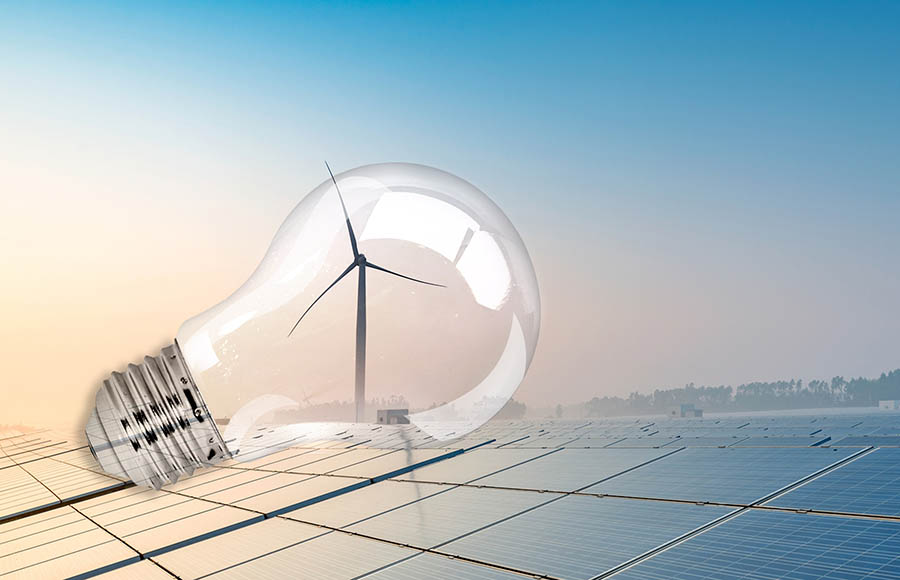
- Circular Energy Economy
- New Circular Life Cycles
- Circular City & Land
The initiative aligns with national and EU post-COVID recovery strategies, promoting a transition toward a more socially and environmentally sustainable economy.
Description
Background
The linear “take-make-dispose” economic model assumes virtually unlimited resources—a premise that is no longer sustainable. While efficiency initiatives can delay the model’s crisis, they cannot address the finite nature of resources or the environmental, economic, and social impacts of uncontrolled resource use.
The shift to a circular economy, emphasizing closed loops, waste reduction, renewable and secondary raw materials, and renewable distributed energy, presents new technological and societal challenges, requiring radical changes to production processes, consumption models, and business strategies.
Europe leads this transition with the European Green Deal and the 2020 Circular Economy Action Plan, creating opportunities for sustainable competitiveness, innovation, and employment. The NextGenerationEU initiative further accelerates post-pandemic investment and reforms toward sustainable growth in Italy and across Europe.
Challenges
Circular4Recovery targets projects addressing both general and specific challenges identified in collaboration with Corporate Partners. Projects should align with one or more of the following Key Focus Areas:
- Circular Bioeconomy: Valorization of agri-food waste and sustainable/regenerative agriculture.
- Circular Water Economy: Wastewater treatment, recovery, and intelligent water network management.
- Circular Energy Economy: Energy transition, smart energy management, and circular material flows in the energy sector.
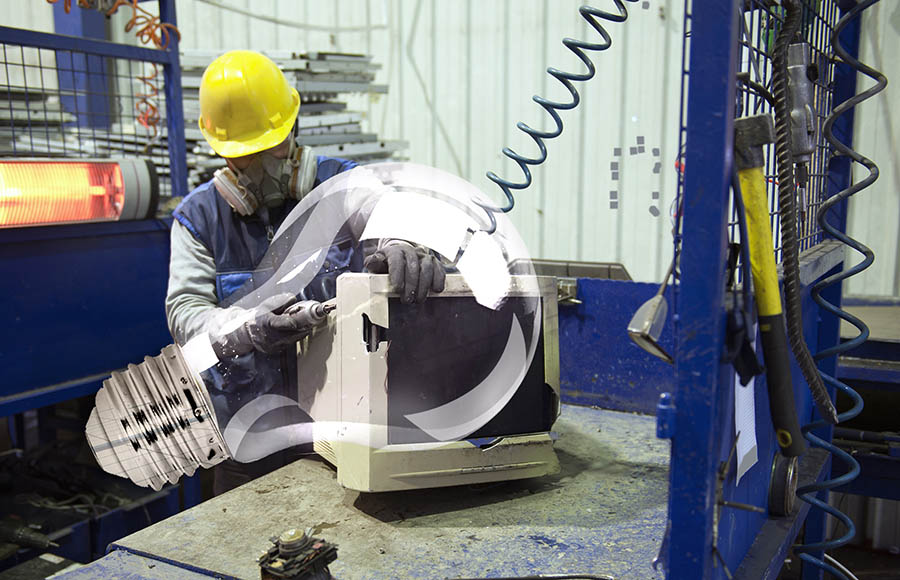
- New Circular Life Cycles: Circular solutions for plastics and WEEE (waste electrical and electronic equipment) management.
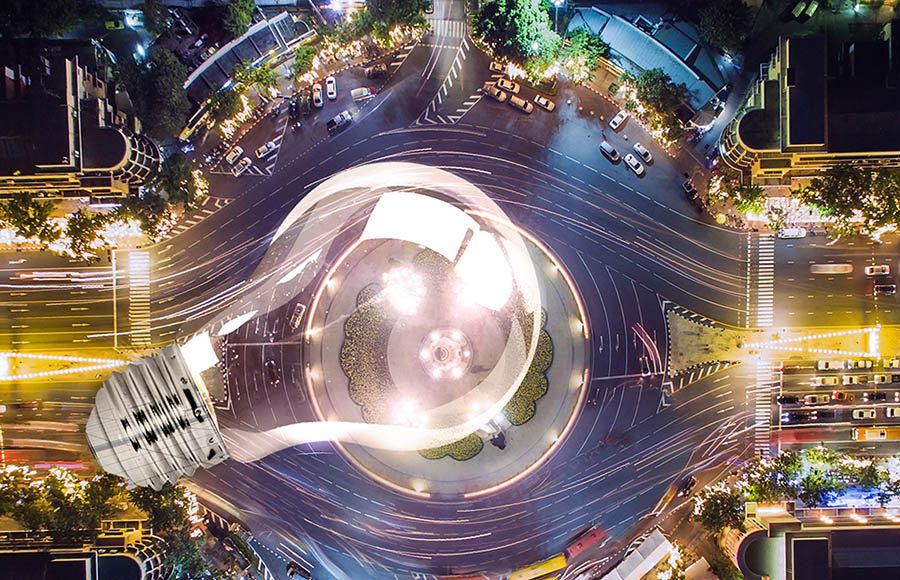
- Circular City & Land: Integrated circular models for sustainable urban and rural development.
Minimum TRL (Technology Readiness Level) for eligibility: 4.
Valorizzazione degli scarti agro-alimentari e nuovi modelli di agricoltura sostenibile e rigenerativa.
Trattamento e valorizzazione delle acque reflue e sistemi intelligenti di gestione delle reti idriche e reflue.
Transizione energetica, sistemi intelligenti di gestione dell’energia, modelli di gestione sostenibile e circolare dei materiali nella filiera energetica.
Soluzioni, tecnologie e processi circolari e sostenibili nella gestione delle filiere delle plastiche e dei RAEE.
Nuovi approcci e modelli integrati e circolari per lo sviluppo sostenibile delle città e delle aree rurali/interne.
Il livello minimo di TRL richiesto per la eleggibilità dei progetti è 4.
Sustainable Development Goals (SDGs) Alignment
Projects in all Key Focus Areas contribute to multiple UN SDGs, including:
SDG 2: Zero Hunger
SDG 6: Clean Water and Sanitation
SDG 7: Affordable and Clean Energy
SDG 8: Decent Work and Economic Growth
SDG 9: Industry, Innovation, and Infrastructure
SDG 11: Sustainable Cities and Communities
SDG 12: Responsible Consumption and Production
SDG 13: Climate Action

Progetti eleggibili e premi
Eligible Projects and Awards
Who can apply:
- Teams not yet incorporated
- Research Spin-offs
- Innovative Start-ups
- Innovative SMEs
- Other potential spin-off enterprises
Awards:
Pre-Acceleration Program (up to 12 weeks):
- Up to €25,000 credits per project for technology and entrepreneurial services (max total €500,000)
- Dedicated workspace in Phygiwork Business Centers, Rome
Acceleration Program (12–24 weeks):
- Up to €70,000 credits per project for technology and entrepreneurial services (max total €700,000)
- Equity, quasi-equity, guarantees/co-guarantees for co-investment (max total €10,000,000)
- Dedicated workspace in Phygiwork Business Centers, Rome
Awarded services are tailored to each project based on the needs identified by MVA and Corporate Partners.
Application Process
Applicants complete the online registration form, providing:
- Company Idea
- Key People
- Business Strategy
- Technology
- Market & Positioning
- Key Financials
- Technology Roadmap & Business Upside
Required attachments: Pitch deck. Optional: Business Plan, patents, technical documentation. Submissions may be in Italian or English.
Evaluation:
- Eligibility check by MVA Acceleration Team
- Pre-selection based on market potential
- Assessment by MVA executives, advisors, and Corporate Partners using criteria:
- Alignment with Call objectives
- Team quality and skills
- Degree of innovation
- Technical-economic feasibility
Outcome:
- 20 projects selected for Pre-Acceleration
- Up to 10 projects proceed to Acceleration, potentially receiving co-investment
Feedback is provided to all applicants. Successful projects are contacted by MVA for next steps.
Come partecipare?
Ogni Partecipante dovrà compilare l’apposito form di registrazione, accessibile anche in fondo a questa pagina (“Proponi il tuo progetto”).
Nella sezione “Descrizione del Progetto” potranno essere illustrati i seguenti punti principali:
- Company Idea
- Key People
- Business Strategy
- Technology
- Market & Positioning
- Key Financials
- Technology Roadmap & Business Upside.
Sarà obbligatorio, inoltre, allegare un Pitch che sviluppa i diversi punti elencati per la sezione “Descrizione del Progetto”.
Infine, è facoltà del Partecipante allegare:
- un Business Plan
- ulteriore documentazione integrativa ritenuta utile a completare e rafforzare la proposta (ad esempio, eventuali brevetti, allegati tecnici descrittivi della tecnologia e della relativa proprietà intellettuale).
Tutti gli elaborati presentati potranno essere redatti in italiano oppure in inglese.
Cosa succede dopo?
Il Team di Accelerazione di MVA verificherà l’eleggibilità dei progetti presentati, escludendo quelli ineleggibili, effettuerà approfondimenti sulle potenzialità di mercato dei progetti presentati e procederà ad una pre-selezione.
Successivamente, i progetti ammessi saranno esaminati dal Team di Accelerazione, integrato nella sua composizione da executive degli
Organizzatori, advisor ed esperti. Saranno coinvolte in questa fase anche le Corporate Partner, al fine di acquisire valutazioni e eventuali
manifestazioni di interesse sui progetti in valutazione.
Nella valutazione saranno tenuti in considerazione i seguenti criteri:
- coerenza rispetto agli obiettivi della Call
- qualità e competenze del team imprenditoriale
- grado di innovazione
- fattibilità tecnico-economica.
A valle della procedura di valutazione, 20 progetti, distribuiti tra le 5 Key Focus Areas individuate dalla Call, saranno selezionati per partecipare a un Programma di Pre-Accelerazione, della durata di massimo 12 settimane. L’accesso al Programma di Pre-Accelerazione sarà condizionato alla sottoscrizione della documentazione contrattuale proposta da MVA e alla registrazione dell’impresa, da costituire o già costituita, nella speciale sezione del Registro delle “Start-up Innovative” o in quello delle “PMI innovative”, ai sensi delle normative italiane.
A conclusione del Programma di Pre-Accelerazione, saranno selezionati fino a 10 progetti da inserire nella successiva fase del Programma di Accelerazione, della durata compresa tra 12 e 24 settimane, accedendo ai relativi servizi messi a disposizione dagli Organizzatori e dalle Corporate Partner e all’eventuale investimento partecipativo. Tale eventuale successiva fase di accelerazione sarà regolata da un separato accordo avente ad oggetto le ulteriori attività del Programma di Accelerazione, le cui condizioni, termini e modalità verranno negoziati in buona fede tra le Parti.
Alla fine del percorso di valutazione riceverai un feedback.
In caso di esito positivo, una persona del team di MVA ti contatterà per discutere i passi successivi
Organizers
Marzotto Venture Accelerator (MVA):
Incubation, acceleration, and venture capital activities to support high-tech, innovative entrepreneurial initiatives. MVA leverages an industrial and commercial network and collaborates with Corporate Partners to drive open innovation in Circular Economy, Smart Cities & Communities, and Healthcare 4.0.
Università Campus Bio-Medico di Roma:
Integrated teaching and research institution promoting ethical, sustainable scientific development. Supports technology validation, research commercialization, and innovation processes in partnership with enterprises.
Challenges of Circular4Recovery
For each of the five Key Focus Areas—Circular Bioeconomy, Circular Water Economy, Circular Energy Economy, New Circular Life Cycles, Circular City & Land—the Call for Projects identifies a set of general Challenges as well as more specific Challenges, which reflect the particular innovation needs and interests of the Corporate Partners supporting the initiative.
Participants may submit projects that address either the general Challenges or the specific thematic Challenges, selecting the corresponding code when completing the registration form.
1
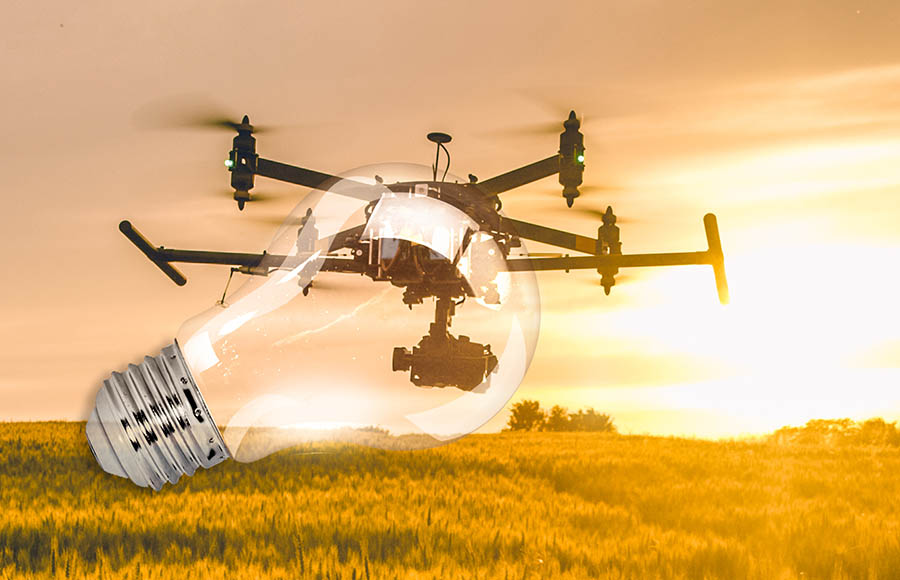
CIRCULAR BIOECONOMY
2
CIRCULAR
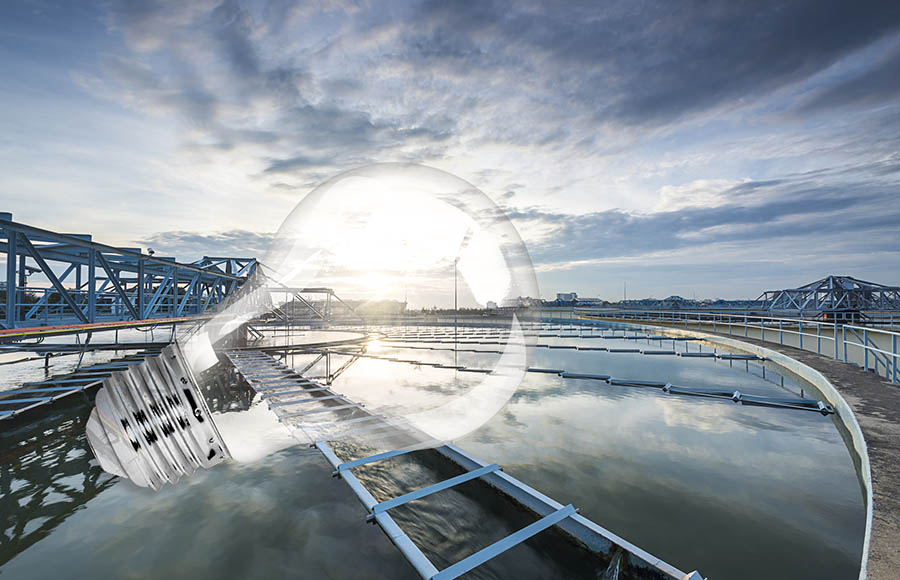
WATER ECONOMY
3
CIRCULAR
ENERGY ECONOMY
4
NEW CIRCULAR
LIFE CYCLES
5
CIRCULAR
CITY & LAND
FOCUS ON CHALLENGES
1
CIRCULAR
BIOECONOMY
Challenge 1.1
Extraction and recovery of bioactive substances and other secondary raw materials from agri-food production waste, livestock effluents, agro-industrial effluents, digestates from biogas plants. [Code CB.1.1]
Specific Challenges:
- 1.1.1 Technologies and systems for the management, treatment, and energy/productive valorization of livestock effluents (e.g., systems for eliminating pathogens and weed seeds), to reduce and reuse climate-altering emissions in the livestock sector. [Code CB.1.1.1]
- 1.1.2 Technologies and processes for the valorization of primary production waste for energy and productive purposes (cosmeceutical, food industry, bioplastics sector, etc.). [Code CB.1.1.2]
- 1.1.3 Advanced technologies and systems (e.g., blockchain) for virtuous and efficient management of exchanges between producers and users of agricultural waste, particularly for supply chain traceability and cross-tracking of waste and virgin raw materials, to ensure the quality of extracted products for human consumption (food, cosmeceutical). [Code CB.1.1.3]
Challenge 1.2
- Transition to new sustainable and regenerative agriculture models, supported by digital/precision agriculture systems and aimed at optimized management of natural and energy resources, reduction of climate-altering emissions, soil preservation, revitalization of ancient crops, and food safety and health. [Code CB.1.2]
Specific Challenges:
- 1.2.1 Systems to support and facilitate the implementation and management of food supply chains, to ensure availability and use of agricultural products; production forecasting at national/international level and commodity market trends (crop recognition via remote sensing, yield forecasts via remote sensing, predictive models of production and market trends); DSS for generating cost/revenue scenarios for crop and cultivation method selection. [Code CB.1.2.1]
- 1.2.2 Technologies and systems supporting traceability of agronomic operations, improvement of the most environmentally impactful production processes (including through Life Cycle Assessment analysis), and compliance monitoring with regulations/production standards. [Code CB.1.2.2]
- 1.2.3 Systems to facilitate automatic collection and recording of data useful for sustainability balances and calculation of environmental impact indices in the agricultural sector. [Code CB.1.2.3]
- 1.2.4 DSS, software, and technologies supporting site-specific field management, to optimize farm management, save energy and agronomic inputs, and obtain products with specific nutritional characteristics: soil variability analysis, identification of the most suitable crops, determination of seeding density and optimal variable-rate fertilization plans, irrigation support (timing and quantity), prediction of pathogen attack risk and optimal weed treatment periods, automatic recognition of phytopathies, variable-rate phytosanitary and weed treatment, innovative use of drones in agriculture. [Code CB.1.2.4]
- 1.2.5 Technologies and systems for animal welfare and health monitoring. [Code CB.1.2.5]
2
CIRCULAR
WATER ECONOMY
Challenge 2.1
- Reuse of municipal/industrial wastewater, techniques for water pollutant sequestration, recovery of nutrients and other secondary raw materials from sludge and landfill leachates. [Code CW.2.1]
Specific Challenges:
- 2.1.1 Technologies and design of chemical-physical systems for selective sequestration of organic and inorganic micropollutants (e.g., microplastics) in tertiary treatment of municipal wastewater. [Code CW.2.1.1]
- 2.1.2 Development of ultra-compact thermal and catalytic cracking processes (gasification and pyrolysis) for sludge volume reduction and recovery of valuable substances. [Code CW.2.1.2]
Challenge 2.2
- “Smart” management of water and wastewater networks through digitalization, automation, and process efficiency (e.g., real-time monitoring of consumption, pipeline monitoring, leak detection, big data collection and management, network performance forecasting, predictive maintenance, augmented reality, Digital Twins, etc.). [Code CW.2.2]
3
CIRCULAR
ENERGY ECONOMY
Challenge 3.1
- Development of innovative and sustainable solutions, technologies, and processes for energy production from renewable sources, green hydrogen, secondary raw materials, bioenergy from renewable and secondary raw materials, thermal recovery and energy storage (electro-chemical, thermal, hybrid, power-to-gas), and CO₂ capture, storage, and reuse. [Code CE.3.1]
Specific Challenges:
- 3.1.1 New technologies for CO₂ sequestration and reuse from aerobic digestion (composting) and anaerobic digestion (biogas production). [Code CE.3.1.1]
- 3.1.2 Development of innovative processes for capture and reuse of hydrogen and CO₂ from biogas upgrading processes. [Code CE.3.1.2]
Challenge 3.2
- Development of technologies, digital solutions, innovative and sustainable processes for circular design, remanufacturing, disassembly, reuse, recovery, recycling, and use of circular and eco-compatible materials in the energy supply chain (batteries, photovoltaic modules, wind turbines, electric vehicle charging stations, smart meters, electricity grid). [Code CE.3.2]
Challenge 3.3
- Technologies, methodologies, applications, and devices for intelligent energy management, optimization of energy resources, network security and resilience, supporting distributed generation and energy communities (e.g., smart grids and microgrids, smart metering systems, monitoring, control and automation systems, supervision systems, distribution management systems, intelligent sensors and actuators, protection/security applications, consumption and production prediction algorithms, optimization methodologies, etc.). [Code CE.3.3]
4
NEW CIRCULAR
LIFE CYCLES
Challenge 4.1
- Innovative and sustainable solutions, technologies, and processes for collection, separation, sorting, recycling of plastics, creation of new recyclable and circular plastics, reuse of recycled plastics, and disposal/valorization of mixed non-recyclable plastics. [Code NC.4.1]
Specific Challenges:
- 4.1.1 Recycling plastic materials from head protection personal protective equipment (helmets, hard hats). [Code NC.4.1.1]
- 4.1.2 Recycling materials from surgical masks and face filters (FFP1, FFP2, FFP3). [Code NC.4.1.2]
Challenge 4.2
- Innovative and sustainable solutions, technologies, and processes for collection, sorting, disassembly, selection, circular design, remanufacturing, recycling, and recovery of components and materials from waste electrical and electronic equipment (WEEE). [Code NC.4.2]
5
CIRCULAR
CITY & LAND
Challenge 5.1
- Development of innovative technologies, approaches, and processes supporting integrated circular models for urban management of material flows, sustainable mobility, energy systems, and built areas for residential and productive purposes. [Code CC.5.1]
Specific Challenges:
- 5.1.1 Sustainable and intelligent urban intermodal mobility systems, supporting optimized management of a workforce distributed across the territory, with more flexibility in work time and location, in line with new “Smart Working” and “Phygital Enterprise” models. [Code CC.5.1.1]
- 5.1.2 Innovative solutions to improve building circularity in terms of material and energy resource usage. [Code CC.5.1.2]
- 5.1.3 Innovative solutions for using infrastructures (particularly electricity networks, public lighting, telecommunications) as enabling platforms for the development of integrated circular models in urban areas (residential and productive). [Code CC.5.1.3]
Challenge 5.2
- Sustainable and circular reconversion and valorization of agri-food, tourism, craftsmanship, and small industry supply chains in rural and internal areas. [Code CC.5.2]
Specific Challenges:
- 5.2.1 Innovative biorefinery models integrating waste from specific supply chains with similar characteristics to maximize economic valorization of waste and reduce environmental impacts, supporting the operation of biodistricts. [Code CC.5.2.1]